How do our schools use data to improve student performance?
Stefanie Clarke, LCS’s executive director for Accountability, Planning, & Performance, explains how data helps teachers better support instructional time
January, 2026
SANFORD— LCEF: Why is it advantageous to incorporate student data when developing specific teaching strategies? What insights does data provide that makes it useful in the classroom?
STEFANIE CLARKE: Incorporating student data into the development of teaching strategies is advantageous because it grounds instructional decisions in evidence rather than assumptions. Data provides clear insight into where students are performing well, where they are struggling, and how their learning is progressing over time.
By analyzing data, educators can identify patterns in student understanding, uncover gaps in prerequisite skills, determine which students may benefit from differentiated support, and assess whether instructional practices are leading to meaningful growth. Data equips teachers with the information they need to personalize learning and ensure that instructional time is used purposefully to support every student’s success.
What does Lee County Schools make use of most these days, in terms of data? (And what’s the source of THAT data?)
Data plays a crucial role in instructional decision-making, and the data we collect must be both meaningful and actionable. Because assessments require time and attention from teachers and students, the information they yield must directly support teaching and learning.
In grades 3 through 12, Lee County Schools relies heavily on the North Carolina Check-Ins for all End-of-Grade (EOG) and End-of-Course (EOC) subjects. These assessments are developed by the state and closely align with the standards and expectations of the EOG and EOC exams, providing insight into student mastery and areas needing reinforcement.
In kindergarten through 3rd grade, students participate in the Dynamic Indicators of Basic Early Literacy Skills, DIBELS, assessment to monitor the development of foundational literacy skills. Additionally, grades 2 through 8 regularly use common formative assessments. These short, targeted checks for understanding act as quick “temperature checks” on student progress, allowing teachers to make in-course adjustments and provide timely support.
Why might different teaching strategies be necessary, for example, within the same grades at different schools? Don’t schools rely on an individual teacher’s experience and strengths to know best how to improve student performance?
Different teaching strategies are necessary because students enter the classroom with a wide array of strengths and weaknesses. Each school has its own unique combination of student demographics, prior achievement levels, language supports, and staffing. Teaching strategies must be customized to the needs of the learners within each classroom and school.
While teacher experience and professional judgment are essential, schools cannot rely solely on intuition or individual preference to drive improvement. Data provides an objective lens that can be paired with teacher expertise to highlight trends, pinpoint gaps, and verify whether instructional approaches are producing the desired results. Effective teaching blends a teacher’s strengths with evidence-based practices and real-time student data.
Can you share some specific strategies that you’ve seen deployed in Lee County classrooms that were developed expressly from examining data? And can you talk about how it worked?
Most recently, we examined data related to 3rd-grade reading, which is a key focus area both in Lee County Schools and statewide. One pattern that emerged was that, although we consistently observed strong instructional delivery, students did not always do the “heavy lifting” during lessons. In other words, teachers were working harder than students in some classrooms, which can limit opportunities for deep engagement and skill development.
We met with principals to discuss these findings and to establish clear “look fors” that signal meaningful student engagement. This included evidence of students discussing their learning, practicing skills independently, and grappling with texts. By aligning around these expectations, schools were able to adjust instructional practices so students were more active participants in the learning process.
When it comes to data about student performance, what’s changed during your time in education when it comes to types, and amount, of data available to public schools?
We have always collected student performance data, but the landscape has changed dramatically in terms of the accessibility, precision, and usefulness of that data. Early in my career, most formative assessments were created by individual classroom teachers. While those tools supported instruction within my classroom, they did not provide consistent information across the grade level, school, or district. The data collected in classroom “silos” does not allow school leaders to identify broader trends, monitor progress systemwide, or learn from classrooms that demonstrate exceptional growth.
Today, data collection is far more streamlined, and the level of detail available to educators has increased significantly. State-developed assessments such as NC Check-Ins, along with standardized tools like DIBELS and common formative assessments through SchoolNet, provide consistent, comparable data across classrooms. These systems allow us to pinpoint exactly which skills students have mastered and where gaps remain for the classroom, school, and district level. Reporting platforms associated with these exams provide data to teachers, school administrators, and district staff much more expeditiously. The reporting platforms also facilitate analysis, enabling teachers and administrators to identify patterns, respond more quickly to needs, and evaluate the impact of instructional strategies with greater accuracy.
This shift has also strengthened professional dialogue around learning. With shared, reliable data, schools can look closely at classrooms where students are making exceptional gains and learn from those teachers’ practices. Instead of relying on anecdotal evidence, educators can use data to surface effective strategies, replicate success, and ensure that high-impact practices are shared across the district.
Do teachers or principals ever have concerns about Lee County Schools being too data-driven, or too reactionary to data?
I have not received direct feedback from teachers or principals expressing concerns that Lee County Schools is too data-driven, though it is reasonable to assume that educators may experience moments where the volume of data feels demanding. What we emphasize, however, is that data is a tool to support instruction, not to dictate it. The goal is never to chase numbers but to understand student learning more clearly.
To avoid becoming reactionary, we consistently reinforce the practice of triangulating data. No single assessment should drive a major instructional change on its own. Instead, we look for patterns across multiple sources, such as classroom work, common formative assessments, DIBELS or NC Check-Ins, and teacher observations. When those sources tell a consistent story, teachers can respond with confidence that the need is real and that adjustments will meaningfully support students.
Data provides valuable insight, but professional judgment, context, and relationships remain equally important. By using data thoughtfully and collaboratively, we ensure that decisions are informed, purposeful, and aligned with what students genuinely need to succeed.
From your own experience, as a teacher and then as a principal, and in your position now, how has your access to student data evolved?
I have certainly evolved in my use of data over the years. Early in my teaching career, we relied on Scantrons and very basic reports that offered little more than class averages. Most of the assessments I used were ones I created myself, which meant they varied widely across my grade level. We held data conversations, but they occurred only a few times a year around quarterly benchmarks.
During my decade as a principal, the state and assessment vendors transitioned to far more user-friendly systems. Students began taking assessments online, and the resulting data became more actionable, with clearer visuals and detailed reports that improved our understanding of student performance. Like many principals, I spent countless hours transferring school-level results into master spreadsheets to analyze trends and triangulate data.
Today, our access to student data is even more streamlined and powerful. Modern testing portals provide immediate, intuitive dashboards that support real-time decision-making. We have also implemented a multi-tiered system of support (MTSS) data platform called Branching Minds that brings a wide variety of information into one central location. Because data uploads occur at the district level, schools no longer have to carry that burden, allowing teachers and principals to focus more on using the data rather than managing it.
Are there specific datapoints you find most insightful?
Data that breaks down mastery of specific skills or standards is the most insightful for educators. Teachers need to see exactly which concepts students have mastered and where they are struggling so they can provide targeted instruction, whether at the whole-class, small-group, or individual level.
One of the ways you’ve talked about following through with teaching strategies is performing learning “walk-throughs” in classrooms. How do those work?
Learning walk-throughs are non-evaluative visits to classrooms that help us better understand the teaching and learning taking place. Our walk-through tool is aligned to the district’s instructional framework, which outlines the evidence-based practices we expect to see in classrooms in Lee County Schools. District leaders and school administrators use the same tool, ensuring the data we collect is consistent and meaningful.
The purpose of walk-throughs is to identify trends, not to evaluate individual teachers. School administrators have access to the data and can provide support as needed for teachers within their buildings. The aggregated results help us determine which elements of the instructional framework are consistently evident and where implementation is less prevalent. From there, we can identify areas that may require additional support, coaching, or professional development. In some cases, the data simply sparks a conversation to ensure we remain aligned in our expectations and support.
You’ve said that each school has a version of a master data spreadsheet. Can you talk about what that is, and how it’s used during the year?
The data available to us comes from a variety of sources and platforms, which historically meant that school leaders had to pull information from multiple places. Most principals have developed their own versions of master data spreadsheets to consolidate all data in one location for analysis and planning.
This year, LCS also implemented an MTSS data platform, Branching Minds, which serves as a centralized data warehouse. Branching Minds enables us to upload assessments from various vendors into a single system while also retrieving real-time attendance, behavior, and coursework data. We can set flagging criteria based on assessment results and early warning indicators to help school teams identify students who may need additional academic, behavioral, or social-emotional support.
District leaders can view data at the systemwide level; school administrators can access school-level information; and teachers, interventionists, and counselors can access student-level data. This centralized approach helps ensure that everyone is working from the same information and can make timely, informed decisions throughout the year.
What role has Dr. Dossenbach, LCS’s superintendent, played in the expanded use of data among faculty, and how has that affected teachers?
Dr. Dossenbach has played a significant role in expanding the use of data across the district. He is laser-focused on the four priorities outlined in our recently adopted strategic plan: increased student achievement, comprehensive student support, effective operations, and the recruitment and retention of highly qualified staff. Each priority includes baseline metrics and five-year goals, and all school improvement plans are aligned to these districtwide expectations.
His emphasis on transparency and continuous progress has encouraged educators to use data proactively rather than reactively. Instead of waiting until the end of the year to assess outcomes, teachers and school leaders are using data throughout the year to monitor progress, make timely adjustments, and ensure that the strategies in place are having the intended impact.
How relevant literacy skills are, and the correlation between early reading and vocabulary and long-term academic success, are fascinating topics. Can you discuss the challenges educators face in the classroom when children aren’t on grade level, when it comes to reading, by 1st grade?
There is substantial research showing that with early intervention, particularly before the end of first grade, roughly 95% of students with reading difficulties can catch up. However, if support is delayed until around 4th grade, it can take up to four times longer to make the same amount of progress. If early gaps are not addressed, we see what researchers call the “Matthew effect” in reading: students who read well read more and accelerate, while students who struggle read less and fall further behind. This is why early screening, strong core instruction in kindergarten and 1st grade, and timely intervention are so critical. The earlier we identify and support a struggling reader, the more likely we are to close the gap before it becomes a long-term barrier to their academic success.
In the classroom, when a child is not on grade level in reading by 1st grade, the challenge for educators is twofold. First, that student is already working much harder just to access print, which affects everything else: writing, math word problems, science, and social studies. Second, teachers are trying to provide intensive, targeted support to that child while also advancing the entire class. It often requires small-group or one-on-one instruction in phonics, fluency, and vocabulary in addition to the regular curriculum.
Boosting student performance is a major objective of the Lee County Education Foundation. How can parents encourage early literacy and reading skill development at home?
Parents play a powerful role in building early literacy skills, and small, consistent habits at home can make a meaningful difference in a child’s reading development. One of the most effective things parents can do is read with their child every day, even for just 10 to 15 minutes. Talking about the story, asking questions, and pointing out new vocabulary all help strengthen comprehension and language skills. Parents can also support early phonics and decoding by practicing letter sounds and encouraging children to notice patterns in print. One of my personal favorite strategies is to “read the world.” Draw attention to words all around us, including road signs while driving, food labels in the grocery store, and short phrases on billboards. These real-world reading moments help children see reading as a natural part of everyday life.
North Carolina has created an excellent resource to help families with this work. The Literacy at Home: Digital Children’s Reading Initiative, developed by the Department of Public Instruction, offers free, easy-to-use activities for children from pre-K through 5th grade. The materials are organized by grade level and focus on foundational skills like phonemic awareness, phonics, fluency, vocabulary, and comprehension. These tools give parents simple ways to reinforce what children are learning in school and help them grow into confident readers.
What do parents and members of the community at large need to understand about your work, and about what you’re trying to accomplish with the work you do?
I want parents and community members to understand that this work goes far beyond numbers, dashboards, or reports. We use data to illuminate students' needs, to celebrate their progress, and to respond promptly when additional support is necessary. It helps us build strong, consistent instructional practices across classrooms and ensures that our decisions are grounded in what is best for students.
Our strategic plan outlines goals for student achievement, whole-child support, effective operations, and the recruitment and retention of excellent educators. These priorities are truly guiding every aspect of our work. But achieving them requires partnership. When families, educators, and the broader community pull in the same direction, our students benefit.
Ultimately, our aim is to ensure that every child in Lee County has the opportunity to thrive. That is the purpose behind every system we build, every data point we study, and every conversation we have about improvement.
***
The mission of the Lee County Schools’ Accountability Department is to provide education data and leadership to support high standards, continually improve achievement, and facilitate student opportunities throughout Lee County Schools.
The mission of the Lee County Education Foundation is to help create an outstanding public school system that graduates students well prepared for the 21st century workplace and success in life. To help us do our work, please click on “DONATE” at the top of this page.
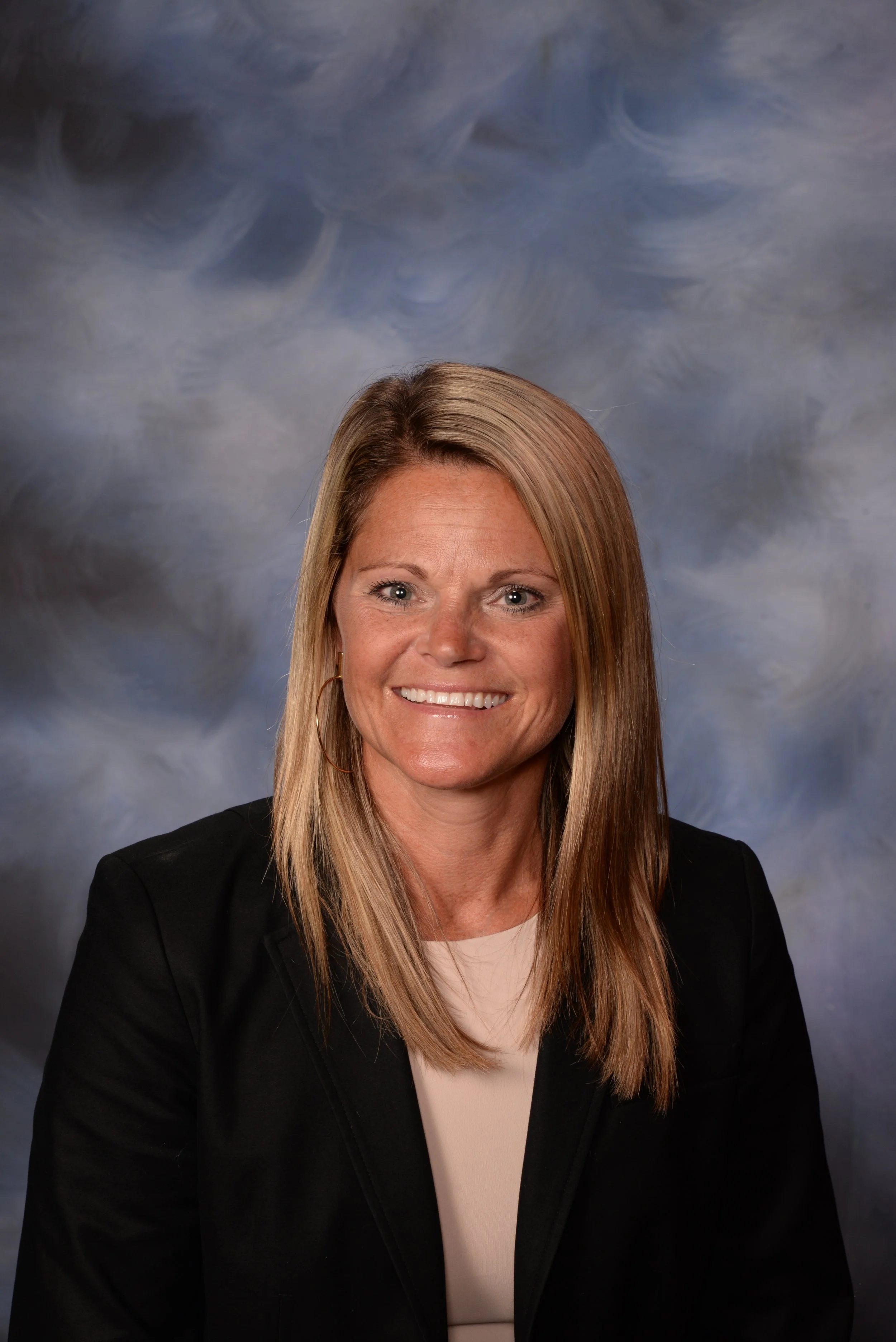
Stefanie Clark is the Executive Director of Accountability, Planning, & Performance for Lee County Schools. She can be reached at sclarke@lee.k12.nc.us.